
Understanding Cape Cod Home Architecture
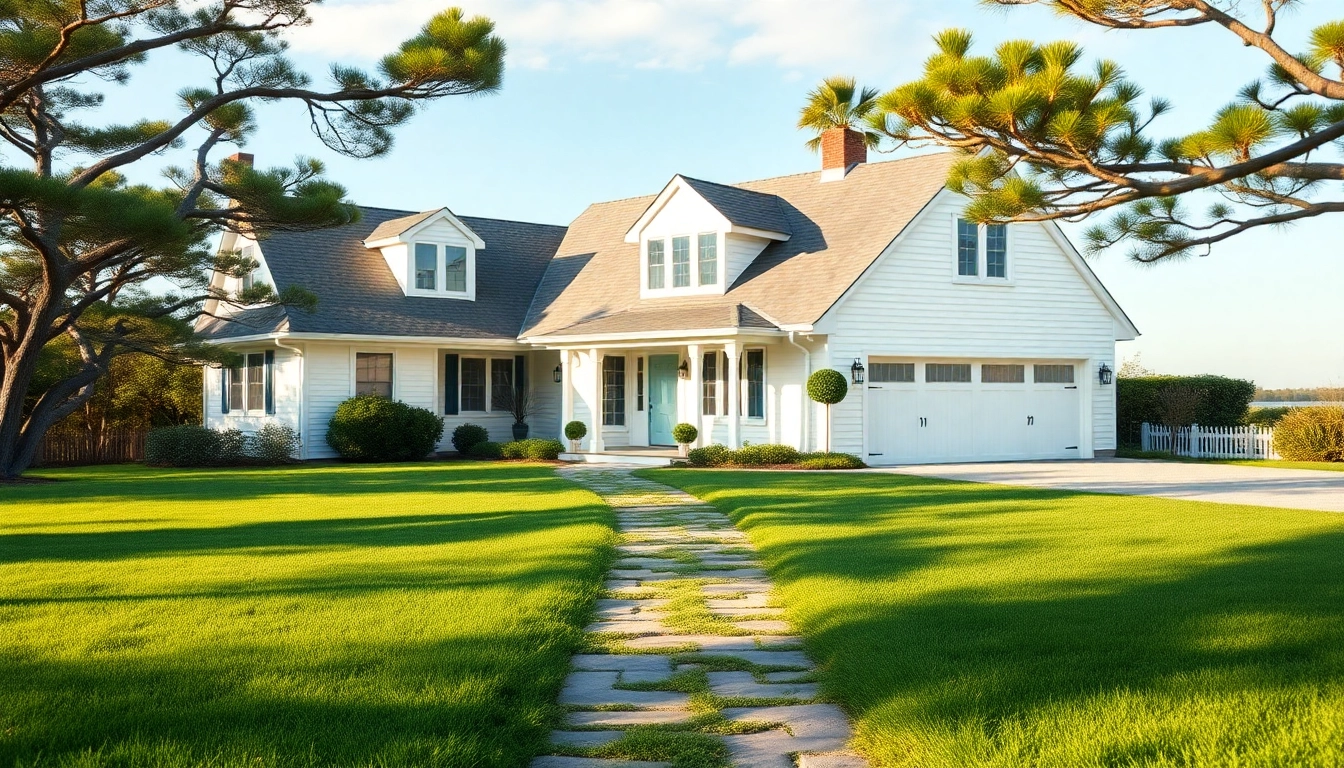
The cape cod home has a charming and distinctive architectural style that draws inspiration from the early colonial homes in New England. With their steep roofs, symmetrical facades, and dormer windows, these homes are not only functional, but they also embody a sense of nostalgia and warmth that many homeowners find appealing. In this section, we will delve into the key features, historical significance, and modern interpretations of Cape Cod architecture, enabling you to fully appreciate its unique attributes.
Key Features of Cape Cod Homes
Traditional Cape Cod homes are characterized by several distinct features that not only define their appearance but also serve to enhance their functionality. Key elements include:
- Steep Roof Pitch: This feature helps to shed snow and rain effectively, making it particularly suitable for areas with varying weather conditions.
- Symmetrical Design: Cape Cod homes typically feature a centralized front door flanked by evenly spaced windows, creating a balanced and inviting look.
- Dormer Windows: These structures project from the roofline, providing natural light and additional space in the upper levels.
- Simple, Clean Lines: The minimalistic design allows for easy maintenance and creates an uncluttered aesthetic that resonates with many homeowners.
- Wooden Siding: Often finished in natural colors, wooden siding helps to harmonize the home with its landscape while providing durability.
Historical Significance and Evolution
Originating in the 17th century, Cape Cod homes were built by early settlers seeking sturdy and functional dwellings along the New England coast. The architecture was practical, reflecting the harsh climate and available materials of the time. As years passed, these homes evolved, embracing several adaptations to accommodate changing lifestyles and preferences. The Cape Cod style saw a resurgence in the 1920s and again after World War II, with designers incorporating modern amenities while maintaining the traditional aesthetic. This historical narrative enriches the allure of Cape Cod homes, merging the charm of the past with contemporary living.
Modern Interpretations of Cape Cod Style
Today’s architects and builders are reimagining Cape Cod homes while preserving their essential characteristics. Modern adaptations typically include:
- Open Concept Interiors: Unlike traditional layouts, modern Cape Cod homes often feature open floor plans that facilitate seamless living and entertaining.
- Energy Efficiency: Incorporating eco-friendly materials and energy-efficient technologies, such as solar panels and advanced insulation, is becoming a standard practice.
- Expanded Living Spaces: Homeowners frequently opt for additions that blend harmoniously with the original design, enhancing both functionality and value.
- Outdoor Integration: Modern designs emphasize outdoor living by including features like expansive decks and patios, fostering a connection with the surrounding landscape.
Planning Your Cape Cod Home Expansion
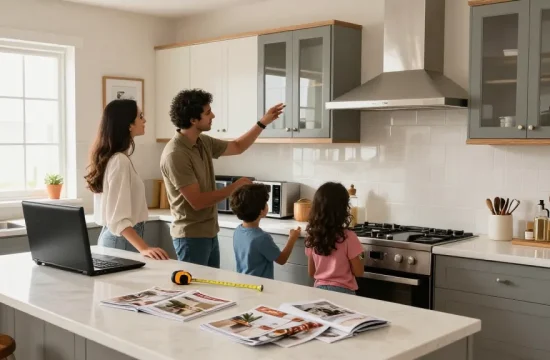
Expanding your cape cod home can be an exciting venture that enhances your living space and adds value to your property. However, it entails careful planning and consideration of various factors to ensure the expansion aligns with both aesthetic and functional goals. From assessing site limitations to budgeting for the project, thoughtful planning is essential.
Factors to Consider Before Expanding
Before embarking on your expansion journey, it’s crucial to evaluate several key factors:
- Local Zoning Regulations: Verify local building codes and zoning laws to ensure your expansion complies with regulations while meeting your design desires.
- Site Limitations: Analyze the characteristics of your lot, including topography and accessibility, as they will influence the feasibility and design of your expansion.
- Budget Considerations: Establish a clear budget that includes potential overruns or unforeseen costs, ensuring you have the financial resources to complete the project.
- Consulting Professionals: Engage with architects and contractors who understand the nuances of Cape Cod design, guiding you in making informed decisions about your expansion.
Creating Spacious Living Areas
One of the primary goals of any home expansion is to create spacious living areas that enhance the functionality of your home. Here are some strategies:
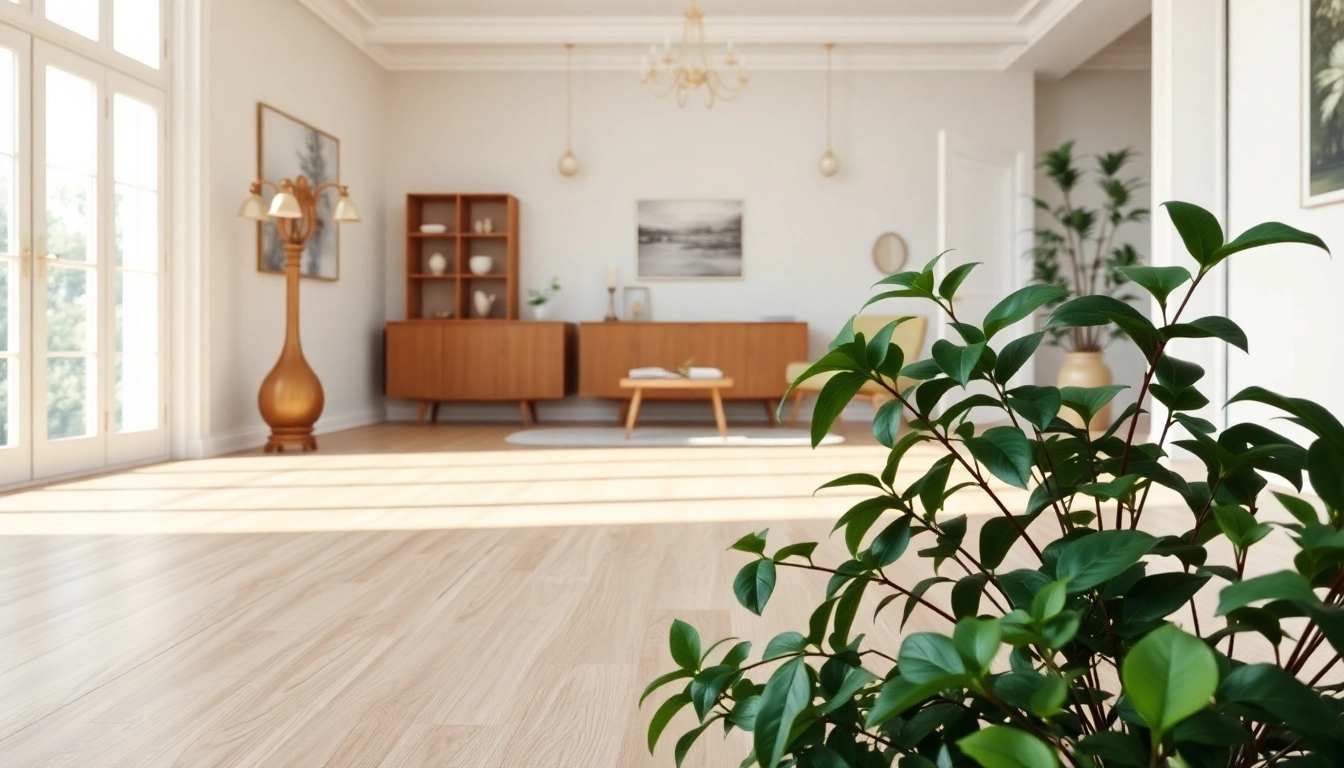
- Open Floor Plans: Consider removing walls to create open spaces that facilitate interaction and promote natural light across rooms.
- Additions with Purpose: Design your expansion with specific functions in mind, such as a family room, home office, or guest suite that adds purpose to the space.
- Multifunctional Spaces: Incorporate flexible spaces that can serve multiple functions, addressing different needs throughout the day.
- Vertical Expansions: If lot space is limited, explore options like adding a second floor or converting an attic into functional living space.
Balancing Aesthetics and Functionality
Ensuring that your expansion complements the existing architecture while remaining functional is vital. Here are some tips:
- Architectural Consistency: Maintain the core elements of Cape Cod design, such as roof pitch and window styles, to ensure a seamless integration.
- Smart Space Planning: Plan for furniture layouts and necessary amenities to avoid overcrowding your newly expanded areas.
- Choice of Materials: Use materials that mimic or complement those found in the original structure for a cohesive appearance, enhancing the craftsmanship.
Designing an Attached Garage
An attached garage can significantly enhance the functionality and aesthetic appeal of your cape cod home. When planning this addition, it’s critical to focus on layout, materials, and how the garage integrates with the overall home design.
Functional Layouts for an Attached Garage
The layout of your garage should optimize space while ensuring ease of access. Consider these layouts:
- Single-Car vs. Double-Car Garages: Determine the size you need based on your vehicle and storage requirements.
- Integrated Storage Solutions: Design built-in shelves and overhead storage in the garage to maximize the usability of the space.
- Access Points: Plan for direct access to the home, ideally through a mudroom or laundry area, to enhance convenience, especially in adverse weather.
Materials and Aesthetics for Garages
Choosing the right materials and design elements is essential for maintaining a cohesive appearance between your garage and the rest of your home. Here are key considerations:
- Exterior Cladding: Use siding that matches or complements your home to blend the garage seamlessly into the overall design.
- Roofing Materials: Choose roofing materials that echo your the main home’s design while offering durability and resistance to weather.
- Windows and Doors: Select garage doors and window styles that reflect those on the house, ensuring visual harmony across the property.
Integrating Garage with Home Design
To ensure your attached garage integrates well with your cape cod home, consider the following integrations:
- Design Elements: Incorporate architectural features from the home into the garage’s design, such as gables and overhangs, ensuring consistency.
- Landscaping: Use thoughtful landscaping around the garage entrance to visually soften the transition and promote curb appeal.
- Lighting: Integrate outdoor lighting that highlights the lines of both the home and garage, ensuring safety while enhancing design.
Landscaping Ideas for Your Cape Cod Property
Landscaping plays an integral role in enhancing the curb appeal of your cape cod home. Thoughtfully planned outdoor spaces can create inviting atmospheres while balancing aesthetics with environmental considerations.
Choosing the Right Plants and Shrubs
When selecting plants and shrubs for your landscape, consider native species that thrive in your climate and offer low maintenance. Here are some recommendations:
- Native Perennials: Choose perennials that bloom throughout spring and summer, providing seasonal color and attracting local wildlife.
- Evergreen Shrubs: Incorporate evergreens to provide year-round greenery, creating structure and stability in the landscape.
- Coastal Plants: Consider salt-tolerant plants if your home is close to the water, as they will thrive in coastal conditions.
Creating Inviting Outdoor Spaces
Designing outdoor living spaces can enhance your enjoyment of your property. Here are a few ideas:
- Patios and Decks: Create multi-functional outdoor areas for relaxation and entertainment, choosing materials that complement your home.
- Dining Areas: Incorporate shaded dining areas that allow for extended outdoor use, adding pergolas or awnings as necessary.
- Fire Pits: Integrate cozy fire pits as focal points in your landscaping to promote gathering and warmth during cooler evenings.
Environmental Considerations for Landscaping
As you design your outdoor spaces, it’s vital to consider environmental factors such as:
- Water Efficiency: Implement xeriscaping techniques to minimize water use, utilizing drought-resistant plants and efficient irrigation systems.
- Soil Health: Test soil conditions to determine nutrient levels and select plants accordingly, enhancing growth and sustainability.
- Wildlife Considerations: Design landscapes that are friendly to local wildlife, incorporating features that attract birds, butterflies, and beneficial insects.
Frequently Asked Questions about Cape Cod Homes
What defines a cape cod home?
A Cape Cod home is characterized by its steeply pitched roof, symmetrical design, and dormer windows, often featuring wood siding and a simple aesthetic.
How can I expand my cape cod home effectively?
Effective expansion involves assessing local regulations, site limitations, and budget while focusing on maintaining architectural consistency with modern amenities.
What styles complement cape cod architecture?
Styles such as Shingle, Colonial, and Farmhouse are great complements to Cape Cod architecture, often enhancing its charm and aesthetic appeal.
What materials are best for an attached garage?
Best materials include wood siding that matches the home, durable roofing materials, and energy-efficient insulation, all ensuring functionality and aesthetics.
How do I enhance my cape cod home’s curb appeal?
Enhance curb appeal by landscaping thoughtfully, using complementary paint colors, and ensuring architectural details align with Cape Cod features.