

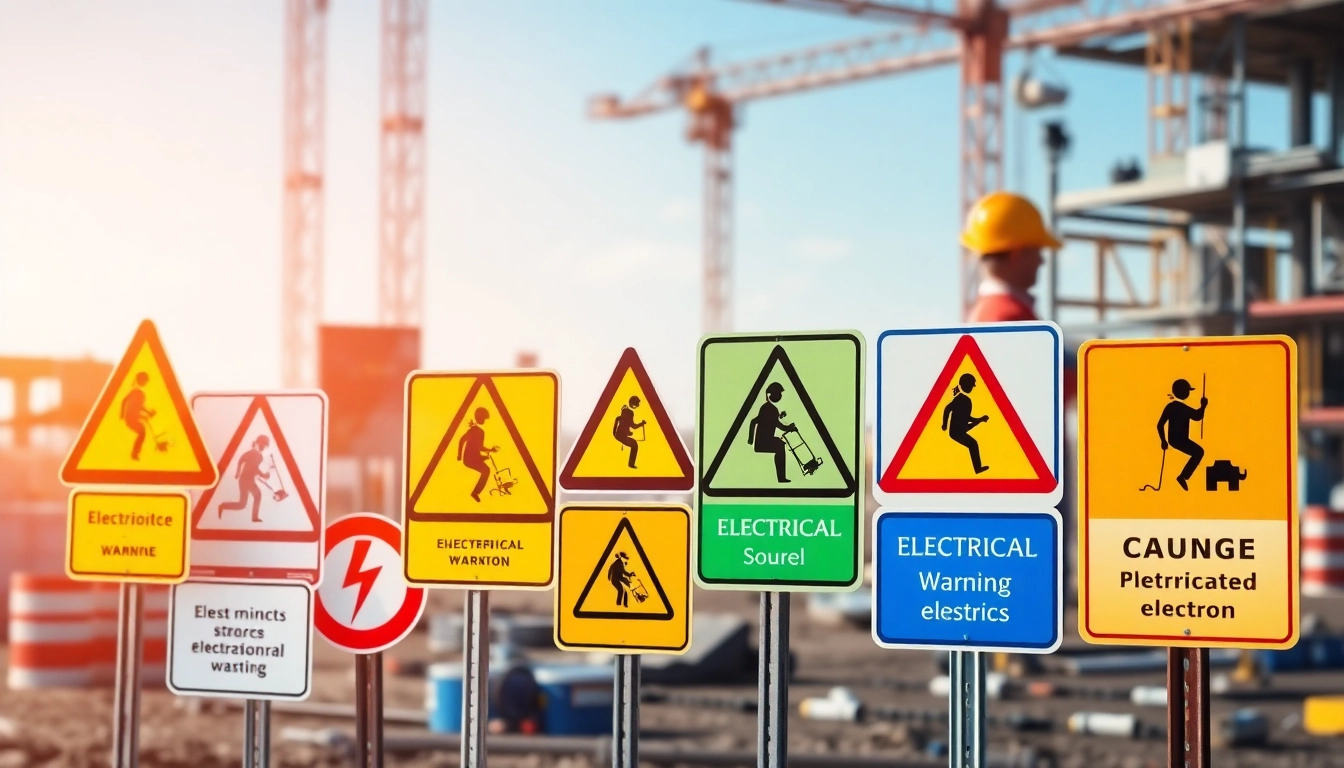
Understanding Electrical Signs
What Are Electrical Signs?
Electrical signs are visual indicators used to convey crucial information regarding electrical safety and hazards. They serve as a warning to individuals who may be in proximity to electrical equipment, installations, or areas containing live electricity. These signs come in various formats and designs, tailored to meet the specific needs of different environments. An essential aspect of using these signs is ensuring they are easily recognizable and understandable, promoting a safer workplace or facility environment. For instance, an electrical signs indicating ‘High Voltage’ would employ clear typography and contrasting colors to capture immediate attention.
Importance of Electrical Signs in Safety
The significance of electrical signs cannot be overstated, particularly in potentially hazardous environments where electrical safety is paramount. These signs help prevent accidents by informing individuals of risks associated with electricity. By leveraging standards set by organizations like OSHA and ANSI, these signs play a vital role in compliance efforts, reducing liability and enhancing overall workplace safety. Their presence can be the difference between a safe working environment and a dangerous situation, as they serve to alert not just electricians, but all personnel about potential electrical hazards.
Common Types of Electrical Signs
Different types of electrical signs cater to various safety and informational needs. Key categories include:
- Warning Signs: Indicating potential danger, such as ‘High Voltage’ or ‘Electrical Hazard.’
- Instructional Signs: Informing individuals of necessary actions, like ‘Turn Off Power Before Servicing.’
- Regulatory Signs: Fulfilling legal obligations, such as ‘Authorized Personnel Only.’
- Identification Signs: Labeling specific equipment, like ‘Electrical Panel’ or ‘Transformer Room.’
Regulations Surrounding Electrical Signs
OSHA Guidelines for Electrical Signs
The Occupational Safety and Health Administration (OSHA) sets forth stringent guidelines regarding the use of electrical signs. These regulations emphasize the necessity of clearly marked hazards, ensuring workers are aware of high-risk areas. OSHA mandates the use of specific colors and symbols for consistency and recognizability. For example, electrical hazard signs must feature a yellow background with a black symbol to signal caution. Organizations must familiarize themselves with OSHA regulations to maintain compliance and protect their workforce.
ANSI Standards for Safety Signage
The American National Standards Institute (ANSI) complements OSHA’s regulations by providing additional standards for signage design and implementation. ANSI Z535 is the primary standard that dictates that safety signs must have a uniform look across similar types of hazards, further helping to establish a more recognizable language of safety. This includes color specifications (red for danger, yellow for caution, etc.) and sign dimensions to ensure visibility. Adhering to ANSI standards not only boosts safety awareness but also promotes effective communication within the workplace.
Compliance Requirements for Different Industries
Compliance requirements for electrical signs may vary across industries, influenced by specific operational risks and regulatory bodies. For instance, manufacturing facilities might require more robust signage due to their complex machinery and heightened electrical hazards, while offices may prioritize instruction signs that denote safety procedures. It is crucial for businesses to assess their unique environments and implement electrical signs accordingly, ensuring they meet both OSHA and ANSI standards to protect employees effectively.
Designing Effective Electrical Signs
Key Design Elements for Clarity
The design of electrical signs plays a significant role in their effectiveness. Key elements include:
- Font and Legibility: Text should be easily readable, with appropriate font size and style. Sans-serif fonts are often recommended.
- Contrast and Color: Ensure high contrast between background and text for visibility; red on white for danger, yellow on black for warning.
- Symbols: Use universal symbols where possible to transcend language barriers and convey messages quickly.
Choosing Materials and Durability
The materials used to produce electrical signs must provide durability in challenging environments. Common materials include:
- Plastic: Lightweight and cost-effective, suitable for indoor use.
- Aluminum: Ideal for outdoor signs, weather-resistant and durable.
- Vinyl: Often used for stickers and labels, adaptable for various surfaces.
When selecting materials, consider the sign’s location and expected exposure to environmental factors, ensuring longevity and functionality.
Color Significance in Electrical Signs
Color coding in electrical signs serves a critical purpose in enhancing safety communication. Different colors are recognized universally, creating a visual language that conveys risk levels effectively. For example, red typically signifies danger, indicating immediate threats, while yellow conveys caution, warning workers to be vigilant. Understanding these color codes can lead to prompt responses in emergency scenarios, thereby reducing accidents and enhancing overall workplace safety.
Best Practices for Installing Electrical Signs
Best Locations for Sign Placement
Correct placement of electrical signs is vital for maximizing their visibility and effectiveness. Key considerations include:
- Entry Points: Ensure signs are visible at all entry points to hazardous areas.
- Height and Angle: Position signs at eye level and angles that ensure visibility, avoiding obstructions.
- Frequent Routes: Place signs along frequently traveled pathways to reinforce safety messaging.
Securing Signs Against Environmental Factors
Electrical signs, especially those installed outdoors, must be secured against various environmental factors. Consider using protective coatings to prevent fading and damage from UV rays and moisture. For wind-prone areas, ensure the sign is securely mounted, using brackets or supports that withstand strong gusts. Regularly inspect the signs for physical degradation and replace them as needed to maintain visibility and effectiveness.
Regular Maintenance and Checks
Regular maintenance ensures that electrical signs remain effective over time. Schedule consistent inspections to check for fading, physical damage, or obstructions that may impair visibility. Create a maintenance log to track inspections and actions taken. By prioritizing these checks, companies can ensure that their electrical signs remain clear and functional, contributing positively to workplace safety.
Frequently Asked Questions About Electrical Signs
What materials are commonly used for electrical signs?
Common materials for electrical signs include plastic, aluminum, and vinyl. Each material serves different environments and durability needs.
How can I ensure my electrical signs are compliant?
To ensure compliance, familiarize yourself with OSHA and ANSI guidelines, and regularly review given local regulations regarding signage and safety standards.
What are the most common symbols found on electrical signs?
Common symbols include lightning bolts for electrical hazards, exclamation marks for caution, and ‘Authorized Personnel Only’ symbols indicating restricted access.
Can electrical signs be customized for specific needs?
Yes, electrical signs can be customized to meet specific workplace needs, including size, wording, and symbol selection. Customization ensures relevance and improves communication.
Where should electrical signs be installed for maximum visibility?
Install electrical signs near entry points to hazardous areas, at eye level, and along frequently traveled routes to ensure maximum visibility and awareness.
Contact Information
Call Us: 1.780.454.6490
Email: [email protected]
Address: 12925-148 Street NW, Edmonton, Alberta T5L 2H9