
Understanding Canopy Tents
What is a Canopy Tent?
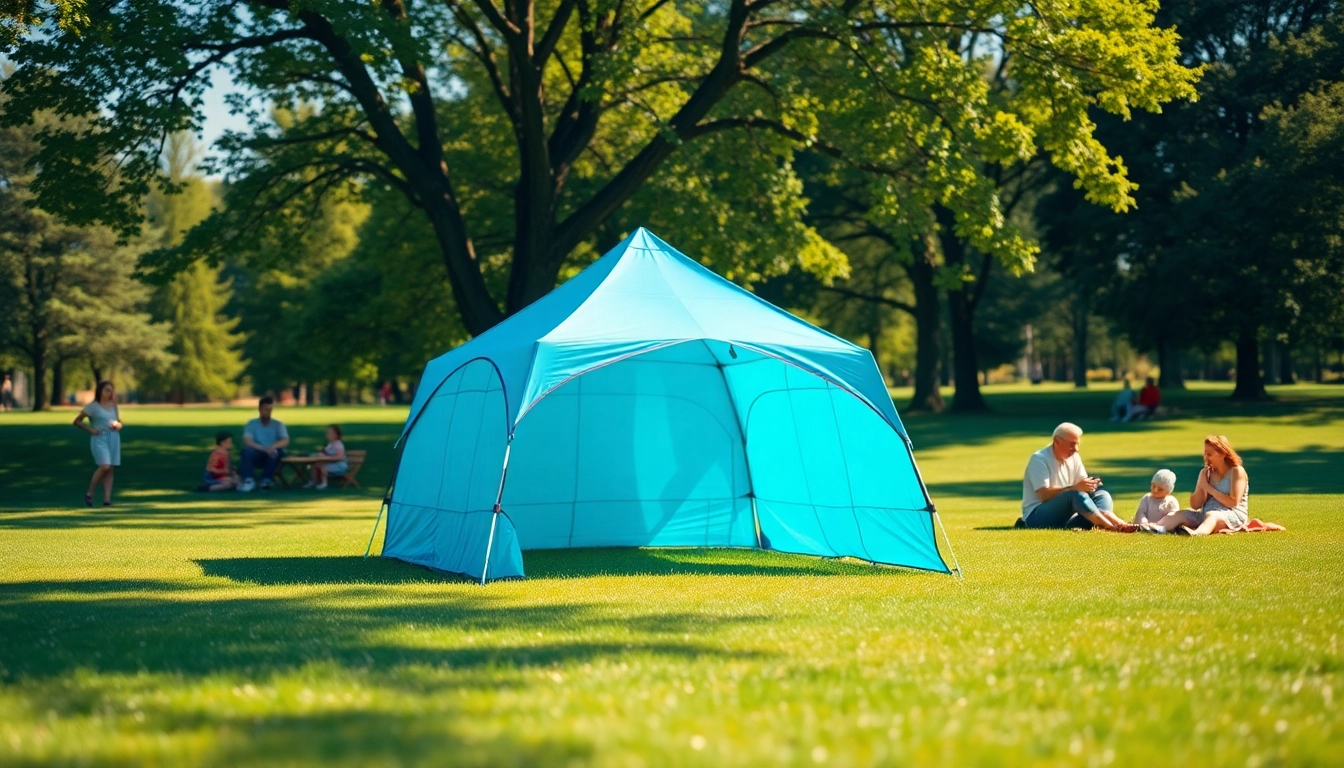
A canopy tent is a versatile outdoor shelter designed to provide shade, protection, and comfort for various events. Its structure typically comprises a frame covered by a fabric top, enabling quick setup and mobility. Canopy tents are widely used in outdoor events such as parties, fairs, and camping trips. They can transform any outdoor space into a comfortable gathering area, making them essential for anyone looking to enjoy the great outdoors while ensuring protection from the sun or rain. For a wide selection, check out canopy tent options to suit various needs and preferences.
Types of Canopy Tents
Canopy tents come in various styles and designs, each tailored to specific purposes.
- Pop-Up Canopies: These are user-friendly tents that can be assembled in minutes. Their foldable design makes them ideal for casual gatherings.
- Frame Tents: More robust than pop-up versions, frame tents offer greater stability and are often used for formal events or as temporary structures.
- Party Tents: Designed to accommodate large groups, these tents are perfect for weddings, festivals, and corporate events.
- Backyard Canopies: Ideal for everyday use, these canopies provide shade for gardening, barbecues, and outdoor relaxation.
- Heavy-Duty Canopies: Built for durability, these tents withstand harsh weather conditions and are commonly used for commercial purposes.
Benefits of Using a Canopy Tent
Utilizing a canopy tent provides numerous benefits, including:
- Sun Protection: The primary function of a canopy tent is to shield individuals from direct sunlight, reducing the risk of sunburn.
- Weather Shield: Canopy tents protect against rain and wind, enabling events to proceed regardless of weather conditions.
- Versatility: They are suitable for various occasions, from casual family picnics to formal outdoor ceremonies.
- Easy Setup: Many canopy tents are designed for quick installation, making them accessible for everyone, even those with little to no experience.
- Cost-Effective: Compared to permanent structures, canopy tents are a budget-friendly option that can be set up and taken down as needed.
Choosing the Right Canopy Tent
Factors to Consider: Size and Style
When selecting a canopy tent, the size and style are crucial. The size you require depends on the number of guests and the intended use. For a small gathering, a 10×10 foot canopy might suffice, but for larger events, you may need a 10×20 or bigger. Additionally, consider the tent design—choose between pop-up canopies for casual use and frame tents for more formal occasions.
Material Durability and Weather Resistance
The fabric material of a canopy tent plays a vital role in its performance. Look for tents made from high-quality materials such as polyester or polyethylene, which are known for their durability and weather resistance. Additionally, check if the tent is treated for UV protection and waterproofing to enhance its longevity and ensure it withstands various weather conditions.
Price Range and Budgeting
Canopy tents are available in a wide price range. Basic pop-up tents can start at around $50, while heavy-duty options can go well above $500. Set a budget based on your requirements, and remember to consider additional costs for accessories like sidewalls, weights, and carrying bags. Comparing features, durability, and warranty options can help you find the best value for your investment.
Setting Up Your Canopy Tent
Preparing Your Space
Before setting up your canopy tent, choose a suitable location that is flat, free of debris, and away from overhanging branches. Ensure there is enough room around the tent for guests to move comfortably. If you’re expecting inclement weather, consider positioning the tent to provide maximum shelter and stability against wind and rain.
Step-by-Step Setup Guide
- Unpack the Tent: Lay out the tent components, including the frame and canopy, to familiarize yourself with the parts.
- Assemble the Frame: Connect the frame according to the manufacturer’s instructions. Make sure it is securely locked to avoid collapse.
- Attach the Canopy: Carefully drape the canopy over the frame, ensuring it fits snugly to prevent flapping in the wind.
- Secure the Tent: Use stakes to anchor the tent to the ground. For additional stability, add weight bags to the legs.
- Check Stability: Ensure everything is secure before using the tent. Adjust as necessary to keep it standing firm.
Common Mistakes to Avoid
To ensure the longevity and stability of your canopy tent, avoid these common mistakes:
- Neglecting Anchoring: Always secure your tent with weights or stakes, especially in windy environments.
- Ignoring Weather Conditions: Be cautious of storms and high winds; take down the tent if severe weather is forecasted.
- Poor Setup: Rushing through setup can lead to mistakes; follow the instructions methodically for optimal results.
- Inadequate Cleaning: Failing to clean your tent after use can result in mold and mildew buildup, compromising its integrity.

Maintaining Your Canopy Tent
Cleansing and Storage Tips
Regular maintenance is key to prolonging the life of your canopy tent. After each use, inspect the tent for dirt or debris and clean it with mild soap and water. Avoid harsh chemicals that can degrade the fabric. When storing, ensure the tent is completely dry to prevent mildew, and pack it in a breathable bag to avoid moisture retention.
Repairing Damage and Wear
Inspect your canopy tent periodically for signs of wear, such as holes or fraying edges. Small tears can often be repaired using sewing patches or fabric glue designed for outdoor use. For extensive damage, consult the manufacturer for replacement parts or repair options. Taking prompt action can save you from costly replacements.
Understanding Warranties
Many canopy tents come with warranties that cover manufacturing defects. Familiarize yourself with warranty details, including its duration and what it covers. Keep your purchase receipt and contact the manufacturer if you encounter issues within the warranty period, as they may offer repairs or replacements.
Canopy Tent Use Cases
Recreational Use: Camping and Festivals
Canopy tents are invaluable for camping enthusiasts, providing shade for relaxation and protection from the elements. At music festivals or outdoor events, they serve as social hubs, where friends gather to enjoy performances and stay cool. Their portability makes them an essential item for any outdoor adventure.
Event Setting: Parties and Gatherings
For backyard parties and larger celebrations, canopy tents can transform any area into a festive space. They create a comfortable environment to entertain guests, protecting from both sun and rain. Whether it’s a birthday party, reunion, or wedding reception, canopy tents set the stage for memorable events.
Commercial Use: Markets and Fairs
Many businesses utilize canopy tents at outdoor markets and fairs. These structures provide shade while enhancing product visibility in a professional manner. Vendors can create an inviting atmosphere for customers while showcasing their products effectively under a protective canopy. Their adaptability also allows for different layouts depending on the event’s requirements.
Frequently Asked Questions (FAQs)
1. What size canopy tent do I need for my event?
The size of the canopy tent depends on your guest count and the event type. A 10×10 ft tent is good for small gatherings, while larger events may need 10×20 ft or more.
2. How long does it take to set up a canopy tent?
Most canopy tents can be set up within 10-30 minutes, especially pop-up varieties. Following the instructions carefully will help speed up the process.
3. Can I use a canopy tent in strong winds?
While many tents are designed to withstand mild winds, high winds can be risky. Always secure your tent properly, and take it down in severe weather conditions.
4. What material is best for a canopy tent?
Look for a canopy tent made from durable polyester or polyethylene. These materials offer good weather resistance and UV protection.
5. How do I clean my canopy tent?
Clean your tent with mild soap and water after use. Ensure it’s completely dry before storage to prevent mildew and damage.