Understanding the Role of Apps for Theatre
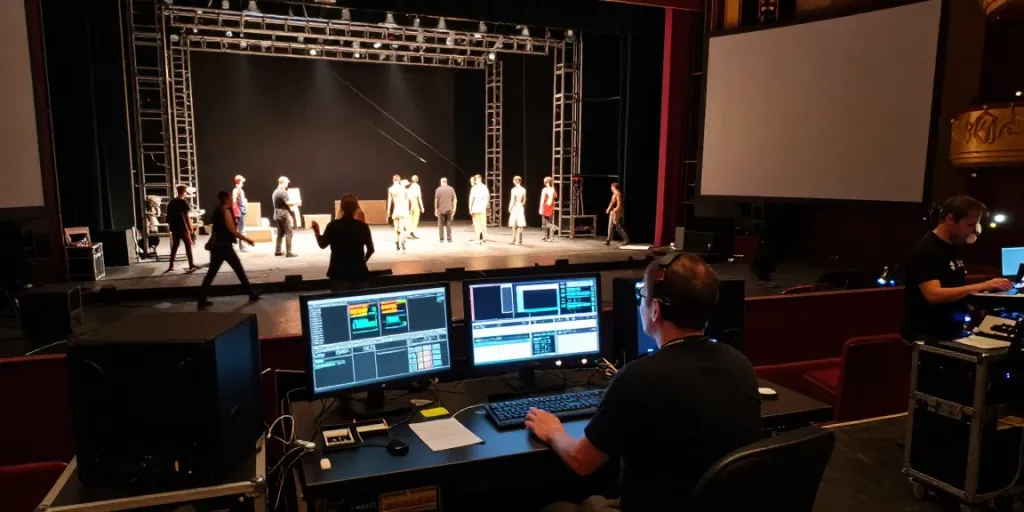
As we move further into the 21st century, technology continues to infiltrate every aspect of our lives, including the arts. Theatre, an age-old form of storytelling, is not exempt from this technological revolution. The rise of apps for theatre has transformed how productions are managed, rehearsed, and experienced. These tools not only streamline processes but also enhance creativity and accessibility, leading to richer theatrical experiences for both creators and audiences alike.
What are the Essential Apps for Theatre Production?
Theatre production encompasses a variety of roles, each requiring specific tools to optimize performance quality and collaboration. Essential apps include:
- Stage Management Software: Tools like Stage Write and CuePad help stage managers track cues, blocking, and rehearsals in real-time.
- Sound and Lighting Apps: Software such as QLab and Lightwright facilitate the design of intricate soundscapes and lighting arrangements, crucial for mood setting.
- Scriptwriting and Rehearsal Tools: Apps like Final Draft and Rehearsal Pro are indispensable for playwrights and actors, enhancing script management and memorization.
These essential apps ensure that the various elements of a production come together seamlessly, allowing professionals to focus more on the artistry of theatre rather than the logistics.
The Impact of Technology on Theatre Accessibility
As theatre strives to become more inclusive, technology plays a vital role. Apps designed for accessibility, such as captioning tools and audio description applications, are crucial for making shows available to a wider audience. By integrating features like mobile surtitles or interactive programs, theatres can engage patrons who may have visual or auditory impairments. This fosters a community where every individual can enjoy live performances without barriers.
How Apps Enhance Collaboration in Theatrical Productions
Collaboration is at the heart of theatrical production, and modern apps facilitate this process like never before. Cloud-based platforms enable team members to share documents and updates in real time, thereby improving communication and reducing misunderstandings. For instance, collaborative tools such as Google Workspace allow directors and designers to brainstorm and refine their ideas collectively. This not only enhances the creative process but also helps to unify the vision for the production.
Key Features of Theatre Apps
Streamlining Stage Management with Digital Tools
Stage management is perhaps one of the most challenging aspects of theatre production. Digital tools simplify the myriad tasks involved, from scheduling rehearsals to tracking technical cues. For example, apps like Stage Write empower stage managers to input ground plans and block actors’ movements efficiently. This minimizes human error and ensures that every element is executed flawlessly when the curtain rises.
Innovative Lighting and Sound Design Applications
Lighting and sound design are essential components of any theatrical performance. Innovative applications allow designers to experiment with various effects quickly and effectively. Programs such as Lightwright enable users to create precise lighting plots that can adapt as the vision for the show evolves. Meanwhile, sound design apps like QLab provide the necessary tools to run complex audio cues that can enhance the emotional impact of a scene.
Using Apps for Scriptwriting and Rehearsal Management
In the realm of writing and rehearsals, applications have revolutionized how playwrights and directors work. Tools like Final Draft streamline the scriptwriting process with formatting features and collaborative options that allow for real-time feedback. During rehearsals, actors can use apps like Rehearsal Pro to record their lines, making it easier to memorize and practice in a more interactive manner.
Real-World Applications and Success Stories
Case Study: Enhancing a Local Production with Apps
A local theatre company, striving to modernize its productions, implemented a slew of dedicated apps. By using Stage Write for staging and cues, they were able to reduce rehearsal time significantly. Additionally, incorporating captioning software, they made their performances accessible for hearing-impaired audience members. The result was a sold-out show that drew praise for its inclusivity and professionalism.
Interviews with Theatre Professionals: Their Favorite Apps
Many theatre professionals have shared insights about the apps that have transformed their work. An acclaimed director noted that using collaborative platforms for sharing ideas and scripts has drastically improved their workflow. Meanwhile, a sound designer highlighted the importance of QLab in creating dynamic audio experiences that elevate a production's narrative.
Lessons Learned from Technical Difficulties in Live Shows
While technology can streamline processes and enhance experiences, it can also fail spectacularly during live performances. One production faced a major setback when its sound cue app crashed moments before a critical scene. This highlights the necessity of having backup systems in place and testing technology thoroughly before opening night. Such experiences underscore the importance of being adaptable and prepared for unforeseen technical challenges.
Addressing Common Challenges with Theatre Apps
Overcoming Resistance to Technology in Theatre
Despite the advantages, there remains a resistance to adopting new technology within the theatre community. Many traditionalists feel that technology detracts from the authenticity of live performances. However, showcasing successful case studies can help to change perceptions and encourage more artists to embrace digital tools.
Navigating the Learning Curve of New Applications
Adopting new apps often comes with a learning curve that can be daunting for many professionals. Providing adequate training and resources for staff can mitigate these challenges. Encouraging an environment of learning and experimentation allows teams to grow more comfortable with technology, ultimately enhancing production quality.
Ensuring Compatibility Among Various Tech Tools
With an ever-expanding suite of applications available, ensuring compatibility between tools can be a common headache. Striving to use integrated platforms that can communicate with one another can greatly alleviate this issue. Selecting apps that support common file formats is crucial for seamless collaboration.
Emerging Trends and Future Predictions for 2026
How AI is Shaping the Future of Theatre Applications
Artificial Intelligence (AI) is poised to revolutionize theatre apps in the coming years. From predictive analytics that help with audience management to advanced captioning features, AI can enhance both production efficiency and audience experience. As tools become more intuitive, the creative possibilities are boundless.
Increased Focus on Accessibility Features in Theatre Apps
As inclusivity remains a priority, the demand for accessible theatre applications will grow. Future apps are expected to incorporate features that cater specifically to individuals with disabilities, including personalized adjustments for sound and sight. This focus not only fulfills ethical responsibilities but also opens up theatre to broader demographics.
The Evolving Landscape of Virtual and Augmented Reality in Theatre
Virtual and augmented reality technologies are beginning to find a place within theatrical productions. These tools allow for immersive experiences that can transport audiences into a different realm. As tech advances, we can expect to see more innovative uses of VR and AR, creating unique narratives that push the boundaries of traditional theatre.
What are the most popular apps for sound design?
In the realm of sound design, popular apps include QLab for cue management, and Logic Pro for creating complex soundscapes. These tools enable designers to craft unparalleled auditory experiences that profoundly impact the audience's emotional journey.
How do theatre apps enhance audience engagement?
Theatre apps enhance audience engagement through interactive features, such as live polls during performances or apps that provide background information about the production. By involving the audience, these tools create a richer, more participatory experience.
Are there free apps available for theatre professionals?
Yes, numerous free apps cater to theatre professionals. Tools like Google Drive for collaborative document editing, and Audacity for sound editing are excellent resources that can be used without cost, making them accessible to all theatre creators.
What should I look for in a theatre management app?
When selecting a theatre management app, consider features such as user interfaces, integration capabilities with other tools, flexible scheduling options, and cost. Ensuring that the app complements your existing workflow is essential for maximizing its effectiveness.
How has technology changed the future of theatre?
Technology has fundamentally transformed the theatre landscape by introducing new methods of storytelling, production management, and audience engagement. As innovations continue to emerge, the future of theatre promises to be more inclusive, efficient, and creatively inspired than ever before.