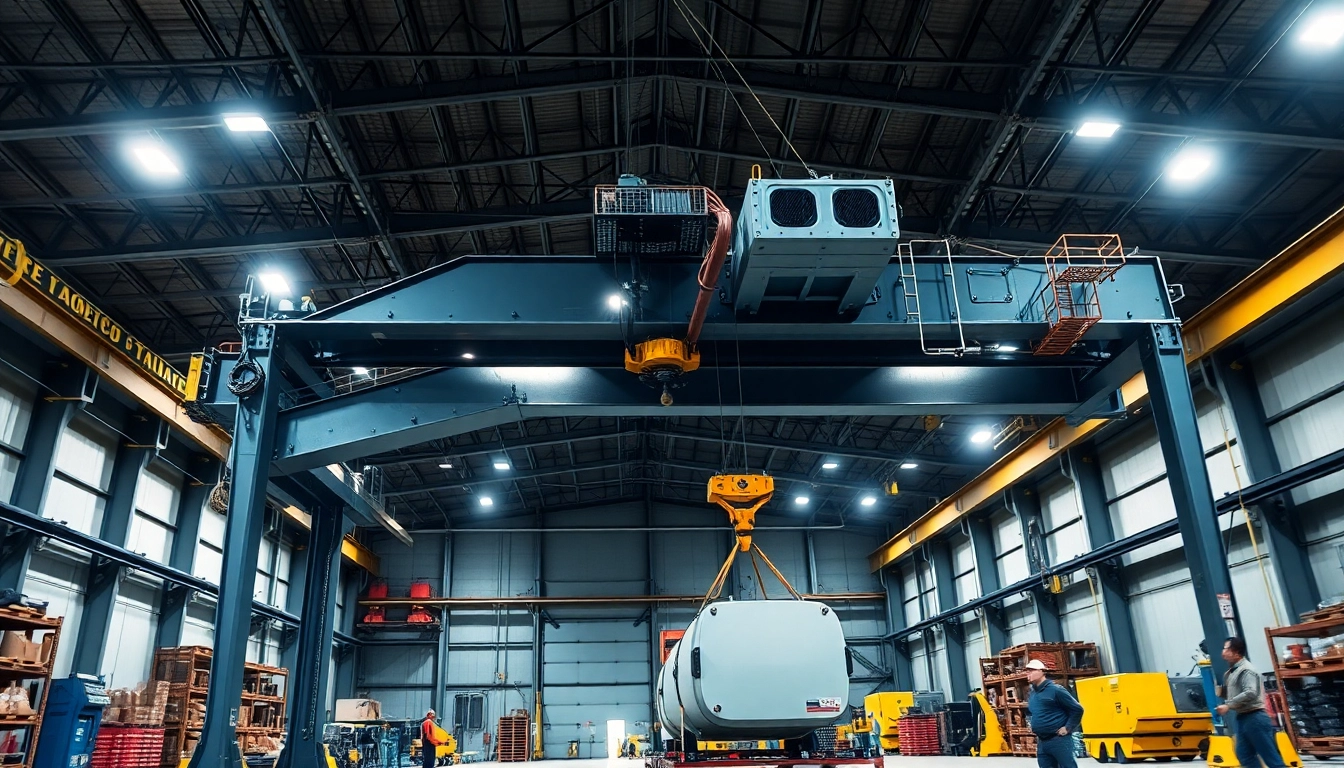
Understanding the Double Girder Bridge Crane
In the realm of heavy lifting and industrial operations, the double girder bridge crane stands as a beacon of engineering prowess. This specialized equipment is designed to manage substantial loads with remarkable efficiency, making it indispensable in various sectors such as manufacturing, construction, and logistics. Understanding the composition, features, and applications of double girder bridge cranes is crucial for businesses looking to optimize their operational processes and ensure safety in material handling.
What is a Double Girder Bridge Crane?
A double girder bridge crane features two parallel girders that span the width of the runway, providing exceptional stability and load-carrying capacity. Unlike a single girder crane, which utilizes one girder, the double girder design supports heavier loads and allows for greater vertical lift. The crane typically employs a trolley mechanism that moves along the girders, equipped with a hoist that can raise and lower materials effectively. This configuration is especially valuable in environments where heavy lifting is a routine requirement.
Key Features and Benefits of Double Girder Designs
- Enhanced Load Capacity: Double girder cranes are engineered to handle heavier loads, often exceeding 10 tons, making them ideal for demanding industrial applications.
- Increased Stability: The dual girder system provides improved stability during operations, reducing the likelihood of accidents and equipment failure.
- Greater Hook Height: The design permits a higher hook lift compared to single girder cranes, allowing for more flexible use of vertical space in warehouses and production facilities.
- Efficiency in Movement: With dual girders, the crane can operate efficiently over larger spans, enabling smooth operations across extensive factory floors or large construction sites.
Applications in Various Industries
Double girder bridge cranes are versatile machines used across a range of industries. Here are some key applications:
- Manufacturing: Ideal for heavy assembly lines where large components need to be moved effortlessly.
- Construction: Utilized on job sites for lifting heavy materials, such as steel beams, concrete blocks, and other construction supplies.
- Shipping and Logistics: Employed in warehouses for loading and unloading trucks and containers, enhancing supply chain efficiency.
- Steel Mills: Perfect for handling heavy steel products, where precision and load integrity are critical.
Choosing the Right Double Girder Bridge Crane
Selecting the appropriate double girder bridge crane involves careful consideration of various factors that directly impact operational efficiency and safety. Understanding load capacity, customization options, and compliance with safety standards can significantly influence your investment decision.
Assessing Load Capacity and Span Requirements
Before purchasing a double girder crane, it is vital to accurately assess the load capacity you will require. Cranes are available in various configurations to handle load capacities ranging from 10 tons to over 500 tons, depending on your operational needs. Additionally, determine the span of the crane, which typically ranges from 20 to 150 feet. The correct assessment will ensure that the crane can operate efficiently without the risk of overloading.
Customization Options for Specific Needs
Many manufacturers offer customization options tailored to meet specific operational needs. Custom features may include specialized hoists, control systems, or unique mounting configurations. When selecting a double girder bridge crane, consider if modifications are necessary for your environment, such as anti-collision devices or remote operation capabilities.
Safety Standards and Compliance Considerations
Adherence to safety regulations is paramount in crane operations. Double girder cranes must comply with industry standards such as OSHA and ASME, which dictate proper installation, maintenance, and operational procedures. Ensure that your chosen crane meets these standards to promote workplace safety.
Installation and Maintenance of Double Girder Cranes
Proper installation and maintenance are key to ensuring a double girder crane operates efficiently and safely throughout its lifespan. Below, we outline the steps for installation and best practices for maintenance.
Step-by-Step Installation Process
- Site Preparation: Ensure the installation site is suitable, flat, and capable of supporting the crane's weight.
- Assembly: Follow the manufacturer’s guidelines for assembling the crane components, including girders, hoists, and trolley mechanisms.
- Electrical Setup: Properly install the electrical systems and ensure all wiring connections meet safety standards.
- Testing: Conduct comprehensive tests on the crane’s movements and load capacities before it goes live in a working environment.
Regular Maintenance Best Practices
To prolong the operational life of your double girder crane, implement a regular maintenance schedule that includes:
- Routine inspections to check for wear and tear.
- Lubrication of moving parts to ensure smooth operation.
- Testing safety features and controls regularly to ensure functionality.
Common Issues and Troubleshooting Techniques
Despite proper maintenance, issues may arise. Common problems include:
- Inconsistent lifting capabilities due to worn hoist mechanisms.
- Electrical malfunctions affecting control and operation.
- Structural concerns from rust or corrosion, especially in outdoor environments.
Troubleshooting should begin with identifying the source of the problem before implementing corrective measures, always adhering to manufacturer specifications.
Performance Metrics for Double Girder Cranes
Measuring the performance of double girder cranes is essential for ensuring efficient operations. Key indicators can help assess crane effectiveness and operational standards.
Key Performance Indicators (KPIs) for Efficiency
Several KPIs can provide insights into crane performance:
- Operational Downtime: Tracking downtime helps identify inefficiencies and potential areas for improvement.
- Load Handling Time: Measure the time taken to lift and move loads to optimize workflow processes.
- Maintenance Frequency: Monitor how often maintenance is required to gauge equipment reliability.
Measuring Operational Effectiveness
Operational effectiveness can be gauged through metrics such as:
- Percentage of successful lifts relative to total attempts.
- Safety incident rates during operation.
- Energy consumption per load lifted.
Future-Proofing Your Crane Operations
In an ever-evolving industrial environment, it is crucial to future-proof your crane operations. Consider upgrades and technology trends that can enhance operations, such as remote monitoring systems, automated controls, and predictive maintenance technologies. These advancements not only boost efficiency but also help in adapting to the changing market demands.
Future Trends in Double Girder Bridge Crane Technology
The field of crane technology continues to advance, with several emerging trends shaping the future of double girder bridge cranes.
Emerging Technologies Enhancing Crane Performance
Technologies such as artificial intelligence (AI) and the Internet of Things (IoT) are beginning to play a role in crane operations, allowing for real-time data collection and analysis. Such advancements can lead to enhanced safety protocols, predictive maintenance scheduling, and improved load management capabilities.
Predictions for the Heavy Lifting Industry in 2025
As industries continue to grow, the demand for double girder bridge cranes is expected to rise. By 2025, we may see increased customization options driven by specific industry needs, along with more eco-friendly materials and energy-efficient designs as a response to environmental concerns.
Adapting to Market Changes and Environmental Considerations
With sustainability becoming a pivotal consideration in manufacturing and construction, crane manufacturers are exploring ways to reduce their environmental impact. This includes developing cranes that utilize alternative energy sources and sustainably sourced materials.