Understanding Integrated Water Treatment Systems
In an increasingly water-scarce world, integrated water treatment systems are paramount to ensuring access to clean, safe water for both industrial and municipal needs. These advanced systems encompass various technologies designed to treat water efficiently, providing solutions that meet stringent regulatory standards, address environmental concerns, and fulfill the growing demand for sustainable water practices. As a leading Water Treatment System Manufacturer, QILEE is at the forefront of these innovative solutions, dedicated to transforming how industries and municipalities manage their water resources.
What is a Water Treatment System?
A water treatment system is a collective term that describes processes and technologies used to purify and manage water for various purposes, including drinking, industrial use, and irrigation. These systems may utilize physical, chemical, and biological treatments to remove contaminants and ensure water safety. Modern water treatment systems are often integrated, allowing for enhanced performance through the combination of multiple treatment technologies tailored to specific water quality challenges.
Core Components of Containerized Systems
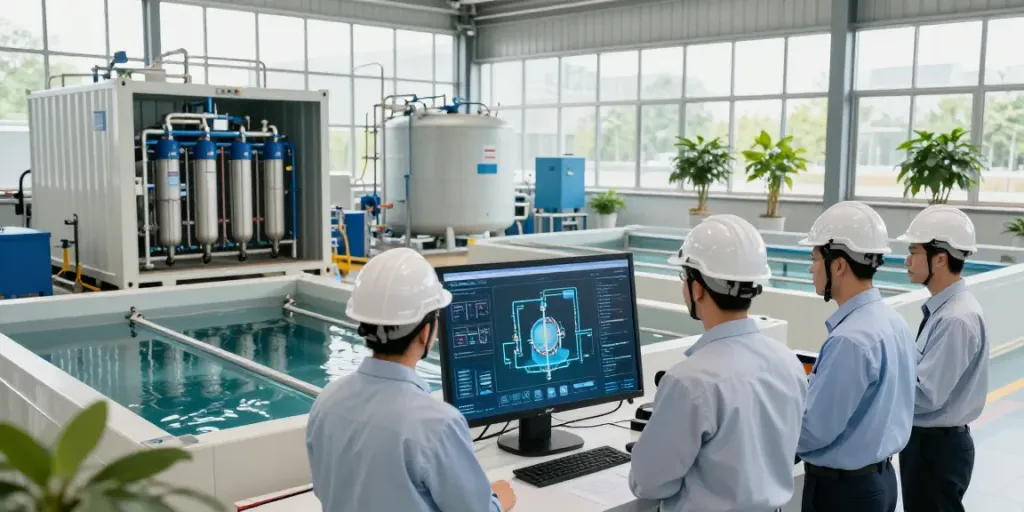
Containerized water treatment systems are modular setups that include essential components such as pumps, filters, membranes, and disinfection units all housed within a portable container. This design enhances mobility and allows for rapid deployment in various scenarios—be it urban sanitation projects or emergency relief operations. The core components typically include:
- Pumps: Essential for transporting water through the system.
- Filtration Units: Used to remove particulate matter, sediments, and microorganisms.
- Membrane Technologies: Such as reverse osmosis, which effectively removes dissolved contaminants.
- Disinfection Systems: Ensuring the elimination of pathogens and ensuring safe water delivery.
- Control Systems: For monitoring processes and maintaining optimal performance.
The Importance of Customization in Water Treatment
Every water source presents unique challenges, necessitating tailored solutions to address specific contaminants and regulatory requirements. Customization allows manufacturers like QILEE to design systems that not only meet but exceed industry standards. This process often involves consultations with clients to understand their specific needs, followed by the engineering of solutions that integrate advanced technologies for maximum efficiency and effectiveness.
Key Applications of Water Treatment Systems
Water treatment systems play a crucial role in various sectors, adapting to diverse applications including industrial processes, municipal water supply, and emergency responses. QILEE’s solutions are specifically designed for six key scenarios:
Industrial Effluent Treatment Solutions
Industries generate significant amounts of wastewater, often laden with hazardous pollutants. QILEE’s industrial wastewater treatment systems are engineered to handle high-difficulty wastewater challenges, employing technologies such as advanced oxidation processes and biological treatments to meet compliance standards while mitigating environmental impact.
Municipal Sewage Treatment Strategies
Municipalities face the daunting task of managing sewage effectively to protect public health and the environment. QILEE's municipal sewage treatment systems utilize integrated technologies that optimize treatment efficiency and reduce operational costs. These systems ensure compliance with local regulations while providing a reliable source of treated water for reuse or safe discharge.
Desalination: Conquering Water Scarcity
With freshwater resources dwindling, desalination has become a crucial technology for enhancing water supply, particularly in arid regions. QILEE specializes in creating containerized desalination units that provide scalable solutions to convert seawater into potable water, employing energy-efficient technologies that reduce environmental footprints and operational costs.
Benefits of Using Containerized Water Treatment Solutions
Containerized systems offer numerous advantages that significantly enhance their viability for various applications, particularly in challenging environments. The key benefits include:
Rapid Deployment and Flexibility
One of the standout features of containerized systems is their rapid deployment capability. These modular solutions can be transported and set up quickly, making them ideal for emergency response situations or changing operational requirements. Their flexibility allows for easy relocation, catering to projects that require temporary setups or ongoing relocation.
Cost-Effectiveness of Containerized Systems
Containerized water treatment systems are often more cost-effective compared to traditional fixed installations. Their modular nature reduces construction time and costs while minimizing site preparation expenses. Additionally, they can scale according to demand, ensuring that resources are used efficiently without overspending.
Scalability and Adaptability for Diverse Needs
Containerized systems are designed with scalability in mind, allowing for easy expansion as water treatment needs grow. This adaptability makes them suitable for small municipalities, industrial facilities, or temporary operations requiring swift adaptation to changing circumstances.
Challenges in Water Treatment System Implementation
Despite their many advantages, implementing water treatment systems can present unique challenges that organizations must navigate. These challenges include:
Common Misconceptions and Obstacles
Many organizations harbor misconceptions about the capabilities and costs associated with modern water treatment technologies. Misunderstanding the complexities involved can lead to poor investment decisions. It’s essential to engage with experienced manufacturers to dispel myths and obtain accurate information regarding potential outcomes and benefits.
Regulatory Compliance and Standards
Regulatory compliance is non-negotiable in the water treatment industry. Different regions impose specific standards that must be met, which can sometimes create hurdles in system design and implementation. Staying abreast of these regulations is crucial to avoid fines and ensure public safety.
Real-World Case Studies of Implementation Issues
Studying real-world case studies helps organizations learn from past implementations. For example, in one instance, a municipality faced difficulties in meeting new effluent discharge standards due to outdated treatment systems. By upgrading to a QILEE containerized treatment solution, they not only met compliance but also improved their overall environmental impact.
Future Trends in Water Treatment Technology (2026 and Beyond)
The water treatment industry is evolving rapidly, driven by technological advancements and increasing environmental awareness. Here are some anticipated trends shaping the future of water treatment:
Emerging Technologies in Water Treatment
New technologies, like machine learning and AI, are expected to revolutionize water treatment processes, improving efficiency and predictive maintenance. These technologies help operators anticipate issues before they arise, minimizing downtime and ensuring optimal operation.
Innovations in Sustainability Practices
With a growing emphasis on sustainability, future water treatment systems will increasingly incorporate renewable energy sources and environmentally friendly materials. Innovations such as solar-powered desalination and biodegradable membranes are on the horizon, contributing to a greener approach to water management.
Predictions for Water Treatment Market Dynamics
The global water treatment market is set for substantial growth, fueled by increased demand for clean water from industry and municipalities alike. Companies like QILEE are positioned to lead this growth through innovation and a commitment to meeting evolving water challenges.
What should you consider when selecting a water treatment system?
Selecting the right water treatment system requires a thorough assessment of your specific needs, budget, and compliance requirements. Consulting with a Water Treatment System Manufacturer can provide valuable insights and help guide your decision.
How does containerization improve water treatment efficiency?
Containerization enhances operational efficiency by allowing for rapid scaling, mobility, and easier integration of advanced technologies. These attributes facilitate more effective management of varying water treatment challenges.
What are the most common applications for water treatment systems?
Common applications include industrial wastewater treatment, municipal sewage processing, and potable water production, each requiring tailored solutions for effective management.
Can small municipalities benefit from advanced water treatment solutions?
Absolutely! Small municipalities can leverage advanced water treatment systems to achieve compliance and improve water quality, often at a lower cost than traditional methods.
What are the key metrics to evaluate water treatment system performance?
Key performance metrics include treatment efficiency, compliance rates, operational costs, and total lifecycle costs, all of which help assess the overall effectiveness of a system.