

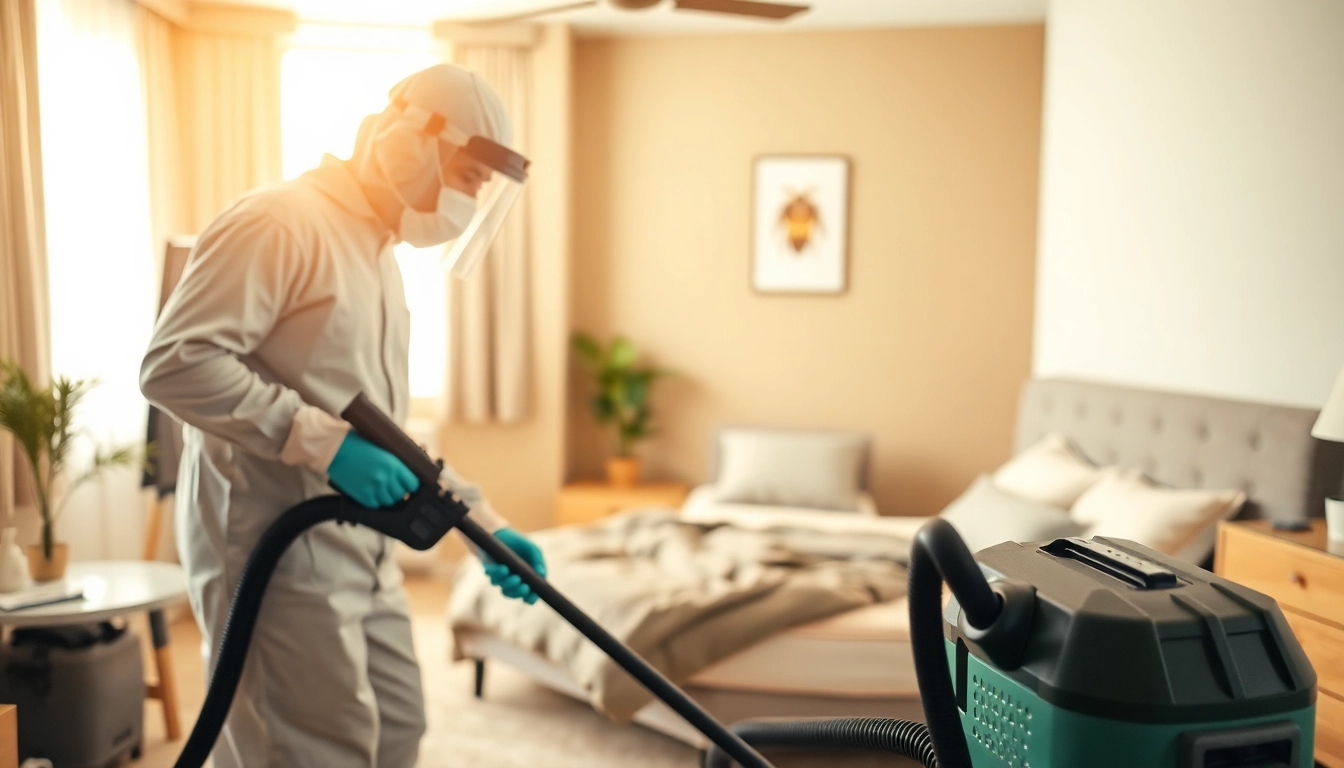
Understanding Bed Bugs and Their Behavior
Bed bugs are elusive pests that plague households, hotels, and other accommodations around the world. Their presence can lead to sleepless nights and persistent itchiness, making effective affordable bed bug control solutions essential for maintaining comfort and hygiene in your living spaces. In this article, we’ll delve into essential information about bed bugs, their habitats, life cycles, and practical control methods to eliminate them affordably.
What Are Bed Bugs?
Bed bugs (Cimex lectularius) are small, reddish-brown insects that feed on the blood of humans and animals. Adults are typically about 5-7 mm long, measuring roughly the size of an apple seed. They can live for several months without eating, which allows them to survive without a host for extended periods. Bed bugs are most active at night, which is why they are often discovered in beds and sleeping areas.
Where Do Bed Bugs Live?
Bed bugs prefer warm, dark environments where they can easily access their hosts. Common hiding spots include:
- Mattresses and bedding
- Bed frames and headboards
- Couches and upholstered furniture
- Cracks and crevices in walls or floors
- Behind baseboards and electrical outlets
These bugs typically cluster together, making locating their infestations crucial for effective control.
Life Cycle of Bed Bugs
The life cycle of a bed bug consists of several stages: egg, nymph, and adult. A female bed bug can lay an average of 5-7 eggs per day, and these eggs hatch in about 10 days. Nymphs go through five molts before they become adults, a process that takes about 4-5 weeks in ideal conditions. Understanding this life cycle is critical for effective treatment, as many methods target specific stages of the bug’s development.
Signs of a Bed Bug Infestation
Identifying Bed Bug Bites
Bed bug bites may appear as small, red welts on the skin and are often mistaken for mosquito bites. They usually occur in clusters or lines and can be very itchy. While not everyone reacts to their bites, being vigilant about any unusual skin irritations can be an initial sign of an infestation.
Visible Signs in Your Home
In addition to bites, other signs of bed bugs include:
- Dark spots (excrement) on sheets and mattresses
- Faded blood stains on fabric
- Molted skin left behind after nymphs mature
- The sweet, musty odor of bed bugs in infested areas
If you notice these signs, it’s time to investigate further.
Understanding the Spread of Infestations
Bed bugs can spread easily through luggage, clothing, and used furniture. They can also move between rooms in multi-unit dwellings. If one apartment gets infested, it can quickly become a problem for others nearby. Thus, early detection and prompt action are crucial for mitigating extensive outbreaks.
Affordable Bed Bug Control Methods
DIY Solutions and Treatments
There are several DIY treatments you can consider to control bed bug infestations affordably:
- Vacuuming: Regularly vacuum all areas where bed bugs may hide, including mattresses, floors, and furniture. Dispose of the vacuum bag immediately to prevent re-infestation.
- Steam Treatment: Bed bugs cannot survive high temperatures. Using a steam cleaner on various surfaces can help kill adult bugs and eggs alike.
- Diatomaceous Earth: This natural powder can be sprinkled in areas known to harbor bed bugs. It works by dehydrating the bugs as they come into contact with it.
While these methods can help control minor infestations, larger outbreaks may require additional aids or professional help.
Effective Chemical Treatments
If DIY methods aren’t sufficient, chemical treatments can be effective for bed bug control. Insecticides that are specifically formulated for bed bugs are available, often in sprays or dust forms. When using chemical treatments:
- Ensure the product is EPA registered and labeled for bed bug use.
- Follow the manufacturer’s instructions carefully to ensure efficacy and safety.
- Wear protective gear and ventilate your space to minimize exposure to hazardous materials.
These treatments can be highly effective when combined with thorough cleaning and prevention strategies.
When to Hire a Professional
Although DIY methods can handle minor infestations, severe cases often necessitate professional intervention. Signs that you may need to hire an exterminator include:
- The infestation is widespread or not responding to DIY treatments.
- You’re uncomfortable using chemical treatments on your own.
- You need a comprehensive plan to manage long-term prevention.
Professionals have access to more effective products and advanced techniques, offering peace of mind and faster results for your infestation troubles.
Preventing Future Bed Bug Problems
Tips for Homeowners
Preventing a bed bug infestation requires vigilance and care. Here are some tips every homeowner should follow:
- Regularly inspect and clean bedding and upholstery.
- Be cautious when bringing second-hand furniture into your home; always inspect for signs of infestation.
- Use encasements for mattresses and pillows to deter infestations.
Consistent preventive measures will help keep your home bed bug-free.
Traveling with Bed Bug Awareness
When traveling, inspect hotel rooms for bed bugs before settling in. Check the seams of the mattress and the furniture for any signs of pests. Keep luggage off the floor and place it on sturdy racks. When returning home, wash clothes immediately in hot water to eliminate any unwelcome guests.
Maintaining a Bed Bug-Free Environment
To maintain a long-term bed bug-free environment, consider regular professional inspections, especially if you live in multi-unit dwellings or have frequent guests. Early detection is often key to preventing a small issue from turning into a significant infestation.
Frequently Asked Questions
What is the cheapest way to get rid of bed bugs?
Using food-grade Diatomaceous Earth is often considered the cheapest and safest method. It can be purchased easily and applied to areas where bed bugs hide.
Can I treat bed bugs myself?
Yes, DIY treatments such as vacuuming, steam cleaning, and using insecticidal dust can help control bed bug infestations, especially at early stages.
How long does it take to completely eliminate bed bugs?
The time varies depending on the severity of the infestation. Effective treatments may take from a few weeks to several months to completely eliminate bed bugs.
Are bed bugs dangerous to my health?
While bed bugs are not known to transmit diseases, their bites can cause significant irritation and allergic reactions in some individuals.
How can I prevent bed bugs from returning?
To prevent return infestations, maintain cleanliness, regularly inspect furniture and luggage, and utilize mattress encasements. Being vigilant is key.